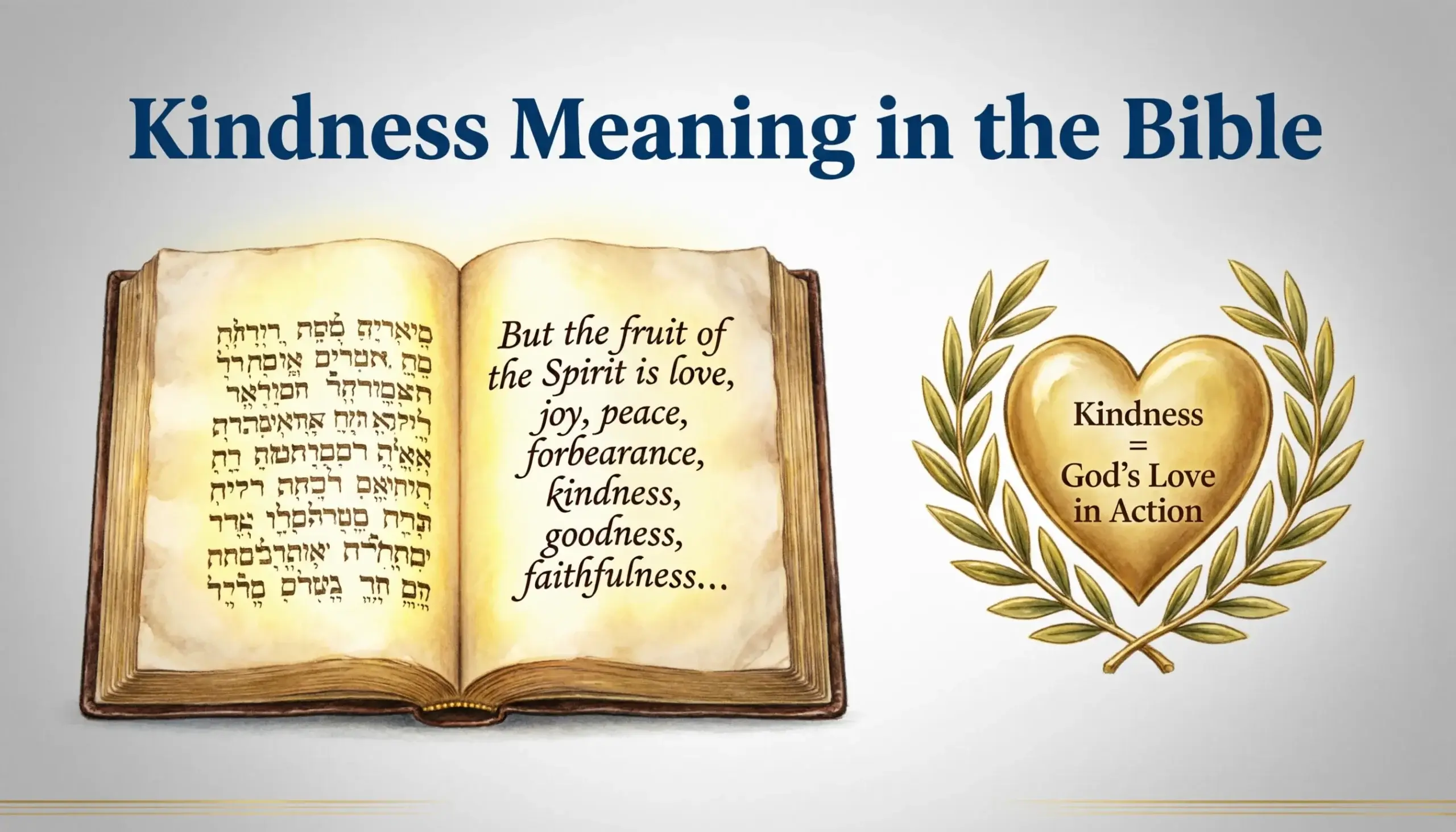
Kindness is one of the most beautiful qualities highlighted throughout the Bible. It goes far beyond simply being nice to others; it reflects God’s love, mercy, compassion, and grace in everyday life.
From the Old Testament to the New Testament, Scripture repeatedly teaches believers to show kindness through their words, actions, and attitudes.
Understanding the kindness meaning in the Bible can help you build stronger relationships, develop a deeper faith, and live according to God’s purpose.
What Is the Kindness Meaning in the Bible?
The Kindness Meaning in the Bible refers to showing compassion, goodwill, mercy, generosity, and love toward others. Biblical kindness goes beyond simple politeness or occasional good deeds. It comes from a heart that desires to honor God and serve people.
In the Bible, kindness often reflects God’s unwavering love toward humanity. God’s kindness is demonstrated through His patience, forgiveness, and willingness to help those who do not deserve it.
Biblical kindness includes:
- Showing compassion to those in need
- Forgiving others
- Speaking gently and respectfully
- Helping people without expecting rewards
- Demonstrating patience and understanding
- Treating everyone with dignity and respect
Kindness is not merely an action; it is an attitude rooted in love.
The Original Biblical Meaning of Kindness
Kindness in the Old Testament
The Hebrew word frequently associated with kindness is “chesed.”
This word carries several meanings, including:
- Loving-kindness
- Mercy
- Faithfulness
- Steadfast love
- Covenant loyalty
Chesed describes God’s faithful love toward His people. It represents a deep commitment to care for and bless others.
For example, Psalm 136 repeatedly declares:
“His steadfast love endures forever.”
This enduring love is a powerful example of biblical kindness.
Kindness in the New Testament
The Greek word commonly translated as kindness is “chrestotes.”
It refers to:
- Moral goodness
- Gentleness
- Compassion
- Benevolence
The New Testament presents kindness as a fruit of a Spirit-filled life and an essential characteristic of followers of Christ.
Why Is Kindness Important in the Bible?
It Reflects God’s Character
One of the primary reasons kindness matters is that it reflects who God is.
God consistently demonstrates:
- Mercy
- Compassion
- Patience
- Grace
- Forgiveness
When believers show kindness, they mirror God’s nature to the world.
It Demonstrates Love
Love and kindness are closely connected throughout Scripture.
True love naturally produces kind actions. A person who genuinely loves others will seek their well-being and treat them with compassion.
It Strengthens Relationships
Kindness creates trust, encourages understanding, and helps resolve conflicts. Relationships flourish when people consistently choose kindness over anger or selfishness.
It Serves as a Witness
Acts of kindness often open doors for sharing faith and demonstrating Christian values in practical ways.
Key Bible Verses About Kindness
The Bible contains many passages that highlight the importance of kindness.
Ephesians 4:32
“Be kind and compassionate to one another, forgiving each other, just as in Christ God forgave you.”
This verse connects kindness with forgiveness and compassion.
Colossians 3:12
“Clothe yourselves with compassion, kindness, humility, gentleness and patience.”
Kindness is presented as a spiritual garment believers should wear daily.
Proverbs 11:17
“Those who are kind benefit themselves, but the cruel bring ruin on themselves.”
Kindness positively impacts both the giver and the receiver.
Galatians 5:22-23
“The fruit of the Spirit is love, joy, peace, patience, kindness, goodness, faithfulness, gentleness and self-control.”
Kindness is one of the fruits produced by the Holy Spirit.
Micah 6:8
“He has shown you, O mortal, what is good. And what does the Lord require of you? To act justly and to love mercy and to walk humbly with your God.”
This verse highlights mercy and kindness as essential aspects of godly living.
Kindness as a Fruit of the Spirit
What Does It Mean?
In Galatians 5, kindness is listed among the Fruit of the Spirit.
This means kindness is:
- Produced by God’s Spirit
- Evidence of spiritual maturity
- A sign of a transformed heart
Believers cannot consistently display biblical kindness through willpower alone. The Holy Spirit helps develop this quality within them.
Characteristics of Spiritual Kindness
Spiritual kindness includes:
- Genuine concern for others
- Selflessness
- Patience
- Mercy
- Forgiveness
- Generosity
These qualities naturally emerge as believers grow closer to God.
Examples of Kindness in the Bible
The Bible is filled with inspiring examples of kindness.
The Good Samaritan
One of the most famous stories is the Parable of the Good Samaritan.
A man was injured and left by the roadside. Several people passed by without helping him. However, a Samaritan stopped, cared for his wounds, and provided for his recovery.
This story teaches that kindness:
- Crosses social barriers
- Helps those in need
- Requires action, not just words
Ruth’s Loyalty to Naomi
Ruth demonstrated remarkable kindness toward her mother-in-law Naomi.
She remained loyal even during difficult circumstances and chose to support Naomi despite personal sacrifice.
Her kindness became a powerful example of faithfulness and love.
David and Mephibosheth
King David showed kindness to Mephibosheth, the grandson of Saul.
Instead of treating him as an enemy, David welcomed him into his home and restored his family’s land.
This act reflected God’s grace and mercy.
Jesus’ Ministry
Jesus consistently demonstrated kindness through:
- Healing the sick
- Feeding the hungry
- Comforting the brokenhearted
- Forgiving sinners
- Welcoming outcasts
His life serves as the ultimate example of biblical kindness.
The Difference Between Human Kindness and Biblical Kindness
Many people perform kind acts, but biblical kindness has unique characteristics.
| Human Kindness | Biblical Kindness |
| Often based on feelings | Based on God’s love |
| May expect something in return | Given freely |
| Can be temporary | Consistent and faithful |
| Influenced by circumstances | Rooted in spiritual conviction |
| Focuses on actions | Focuses on heart and actions |
Biblical kindness flows from a transformed heart rather than temporary emotions.
Benefits of Practicing Biblical Kindness
Stronger Relationships
Kindness promotes understanding, trust, and mutual respect.
Greater Personal Peace
People who practice kindness often experience emotional and spiritual fulfillment.
Positive Influence
Acts of kindness inspire others to do the same.
Spiritual Growth
Showing kindness helps believers become more Christ-like.
Better Communities
Kindness strengthens families, churches, workplaces, and neighborhoods.
How to Show Kindness According to the Bible
Speak Encouraging Words
Words have tremendous power.
Simple phrases like:
- “I’m praying for you.”
- “You did a great job.”
- “How can I help?”
can uplift someone significantly.
Forgive Others
Forgiveness is one of the highest forms of kindness.
Holding grudges damages relationships, while forgiveness promotes healing.
Help Those in Need
Practical kindness includes:
- Feeding the hungry
- Supporting struggling families
- Visiting the sick
- Assisting the older people
Listen With Compassion
Sometimes kindness means simply listening without judgment.
Pray for Others
Prayer is a meaningful way to demonstrate concern and love.
Practice Generosity
Generosity reflects God’s kindness and provides tangible help to others.
Obstacles to Kindness
Despite its importance, kindness can be challenging.
Selfishness
Focusing only on personal needs can limit compassion for others.
Anger
Unresolved anger often prevents kind responses.
Pride
Pride can make people unwilling to serve or help others.
Busyness
A packed schedule may cause opportunities for kindness to be overlooked.
Fear of Rejection
Some hesitate to show kindness because they fear being misunderstood.
Recognizing these obstacles helps believers overcome them.
How God Shows Kindness to Humanity
The Bible repeatedly emphasizes God’s kindness.
Examples include:
Creation
God created a beautiful world filled with resources and opportunities for humanity.
Provision
God continually provides for people’s needs.
Mercy
Instead of immediate judgment, God offers forgiveness and grace.
Salvation Through Christ
The greatest expression of God’s kindness is the gift of salvation through Jesus Christ.
Through Christ, believers receive:
- Forgiveness
- Redemption
- Eternal life
- Reconciliation with God
This ultimate act of kindness changes lives forever.
Kindness in Daily Christian Living
Biblical kindness should influence every area of life.
At Home
- Respect family members
- Show patience
- Offer help willingly
At Work
- Encourage coworkers
- Be honest
- Treat everyone fairly
In Church
- Welcome newcomers
- Support fellow believers
- Serve with humility
Online
- Avoid hurtful comments
- Share encouraging content
- Respond respectfully
In the Community
- Volunteer
- Donate resources
- Support local needs
Small acts often have lasting impacts.
Signs of a Kind Heart
A person growing in biblical kindness often displays:
- Compassion
- Humility
- Patience
- Forgiveness
- Generosity
- Gentleness
- Empathy
These qualities reflect spiritual maturity and Christ-like character.
How to Develop More Kindness
Spend Time in Prayer
Prayer helps align the heart with God’s purposes.
Study Scripture
Reading the Bible provides guidance and inspiration.
Follow Jesus’ Example
Observing how Jesus treated people offers practical lessons.
Practice Daily Acts of Kindness
Kindness grows stronger through consistent practice.
Depend on the Holy Spirit
Spiritual transformation occurs through God’s power rather than human effort alone.
Frequently Asked Questions About Kindness Meaning in the Bible
1. What is the biblical definition of kindness?
Biblical kindness is showing compassion, mercy, generosity, and love toward others in a way that reflects God’s character.
2. Why is kindness important in Christianity?
Kindness reflects God’s nature, strengthens relationships, and serves as evidence of spiritual growth.
3. Is kindness a fruit of the Spirit?
Yes. Galatians 5:22 lists kindness as one of the fruits of the Spirit.
4. What is the Hebrew meaning of kindness in the Bible?
The Hebrew word “chesed” refers to loving-kindness, mercy, faithfulness, and steadfast love.
5. How did Jesus demonstrate kindness?
Jesus healed the sick, forgave sinners, fed the hungry, comforted the hurting, and welcomed those rejected by society.
6. Can kindness change people’s lives?
Yes. Even small acts of kindness can encourage, heal, strengthen relationships, and inspire positive change.
7. How can Christians practice kindness every day?
Christians can show kindness through encouraging words, forgiveness, generosity, prayer, service, and compassionate actions.
Conclusion
Understanding the Kindness Meaning in the Bible reveals a powerful truth: kindness is far more than simple politeness. It is a reflection of God’s heart, a fruit of the Spirit, and a vital part of Christian living. Throughout Scripture, kindness appears as an expression of love, mercy, grace, and compassion.
Whether through helping someone in need, speaking encouraging words, offering forgiveness, or simply showing patience, believers have countless opportunities to practice biblical kindness every day. As followers of Christ embrace kindness, they not only improve the lives of others but also grow spiritually and reflect God’s character to the world.

I am Grace Sullivan, a passionate writer who loves turning ideas into simple, helpful content.
I am focused on creating clear, engaging articles that connect with everyday readers.
I am dedicated to researching topics deeply to deliver accurate and valuable information.
I am always exploring new trends and improving my writing to provide the best user experience.